
Singapore Driving License Requirements for Commercial Vans: What You Need to Know
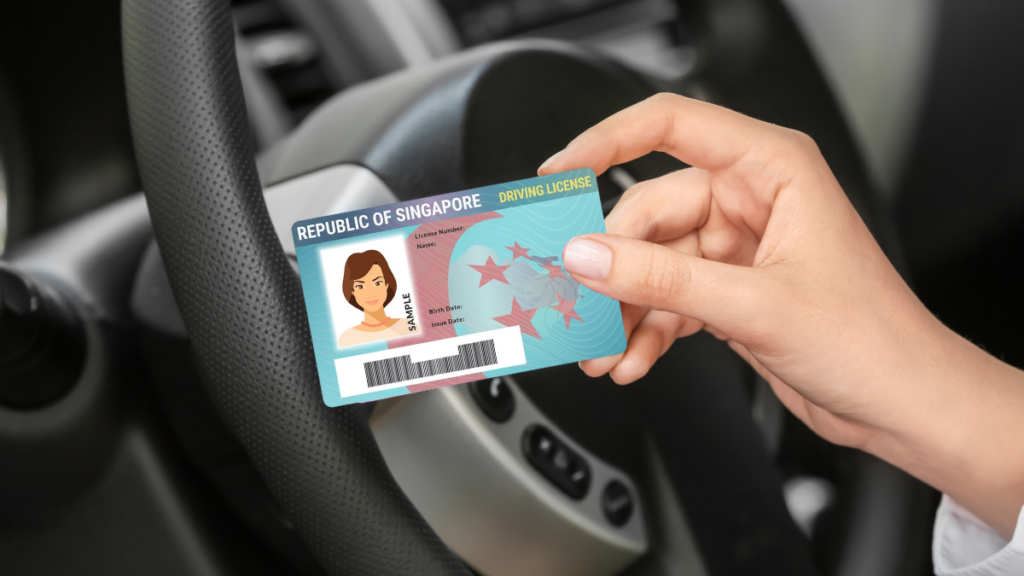
Whether you’re starting a new delivery “side-hustle,” scaling your SME, or simply renting a van for a weekend move, one question always comes up: “Am I actually allowed to drive this thing?”
Navigating Singapore’s driving license classes can be confusing, especially with the rise of automatic commercial vehicles. In this guide, we’ll break down the LTA (Land Transport Authority) requirements for driving vans in Singapore so you can stay road-legal and insured.
1. Class 3 vs. Class 3A: Can I Drive a Van with 3A?
This is the most common question we receive at LoadUp. To answer it, we first need to look at the vehicle’s transmission.
- The Class 3A License: This license allows you to drive “motor cars without a clutch pedal” (automatic transmission) with an unladen weight not exceeding 3,000kg.
- The Class 3 License: This allows you to drive both manual and automatic vehicles with an unladen weight not exceeding 3,000kg.
The Verdict: Yes, you can drive a van with a Class 3A license, provided the van has an automatic transmission.
In 2026, the majority of the LoadUp fleet and modern commercial vans (like the Toyota Hiace Auto or electric vans) are automatic. However, if the van is a manual model (common in older fleets), a Class 3A license will not suffice, and driving one would mean you are unlicensed and uninsured.
2. Weight Limits: When do I need a Class 4 License?
Most people assume all “trucks” or “vans” fall under a standard license, but weight matters.
- Class 3/3A Limit: You are restricted to vehicles with an unladen weight of 3,000kg or less and which are constructed to carry not more than 7 passengers (excluding the driver).
- Class 4 Requirement: If you intend to drive a heavy motor vehicle with an unladen weight exceeding 2,500kg (typically large 14ft lorries or heavy cargo trucks), you will likely need a Class 4 license.
Pro-Tip: All vans available on the LoadUp app are carefully curated to be drivable with a standard Class 3 or 3A license, making it easy for any regular driver to pick up a van and go.
3. Are You Carrying Goods or People?
In Singapore, the “G-plate” on a van signifies it is a commercial vehicle.
- Goods: You can carry as much cargo as the vehicle’s Maximum Permissible Laden Weight (MPLW) allows.
- Passengers: Standard commercial vans are usually licensed to carry the driver plus either 1 or2 passengers in the front. Carrying passengers in the rear cargo area without proper canopy/seating and LTA approval is a serious offense.
Conclusion
Understanding the difference between a Class 3 and 3A license is the first step to a stress-free rental experience. As Singapore shifts towards electric and automatic commercial fleets, the Class 3A license is becoming more versatile than ever.
Ready to get behind the wheel? Whether you hold a Class 3 or 3A, LoadUp has the right automatic van for your needs. Download the LoadUp App and verify your license in minutes to start driving.